
George Washington's experiences in his youth helped shape the man who would lead a revolution and become the first president of the United States.
George Washington was born in Virginia, which was part of the British Empire and ruled by a distant king. His life changed dramatically at age 11 when his father died. Washington worked diligently to educate himself and build a reputation for reliability. He became a land surveyor to earn money and leveraged family connections to secure a military commission.
His time fighting on the Virginia frontier during the French and Indian War turned him from an inexperienced officer into a respected leader. Raised as a British subject in a society based on hierarchy and enslavement, he would go on to help found a nation built on the promise of freedom.
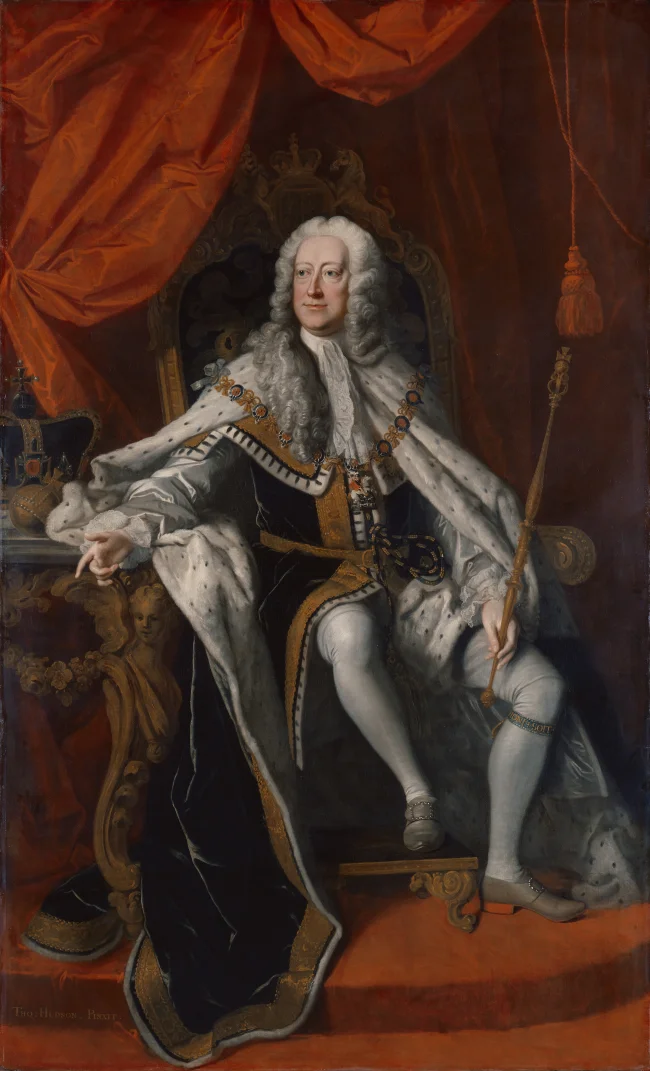
World of 1732
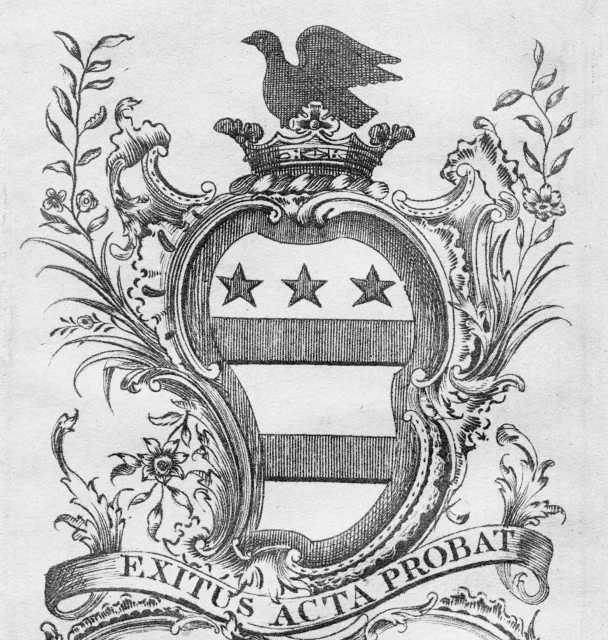
The Washington Family Comes to America
George Washington’s three known great-grandfathers immigrated to Virginia from England in the late 1600s. On his father’s side, John Washington married Anne Pope, the daughter of a prominent plantation owner. The couple started a successful plantation of their own in Westmoreland County, somewhat south of Mount Vernon.
Each succeeding generation of Washingtons profited from tobacco and built wealth by acquiring more land. The men often served in the local militia, represented their neighbors in Virginia’s legislature, held positions in the church, and acted as county sheriffs and justices of the peace. The women ran the household, oversaw the child-rearing, and managed enslaved and indentured domestic workers.
February 22, 1732
George Washington is born at his family's plantation on Popes Creek in Westmoreland County, Virginia.

Washington & Birthdays
Great Britain changed its official calendar by 11 days in 1752 to align with the rest of Europe. George Washington was born on February 11, 1731, before the switch. Under the new calendar, adopted when he was 20 years old, his birthday shifted to February 22, 1732.
Today, our nation celebrates Washington’s Birthday as a federal holiday. When Washington was young, he and those around him celebrated King George II’s birthday.
Washington's Parents

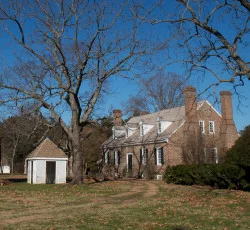
Childhood Homes
George Washington was born at Popes Creek Plantation. In 1734, his family briefly lived at Little Hunting Creek—now Mount Vernon—before moving to Ferry Farm near Fredericksburg, where he spent most of his childhood.
Popes Creek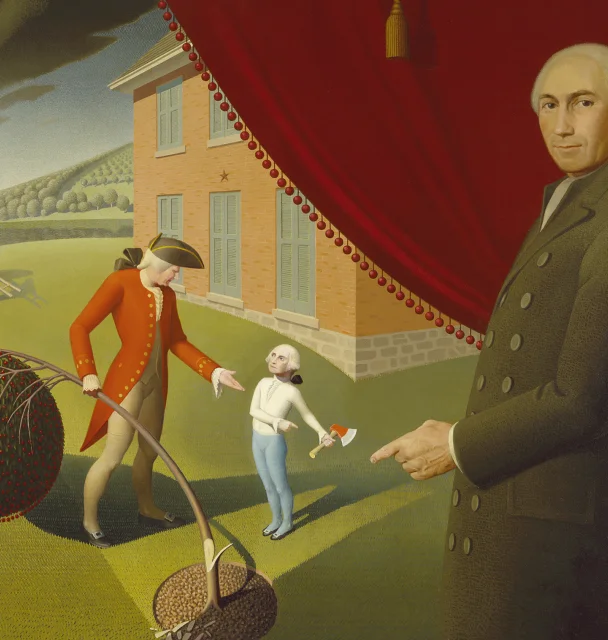
What About the Cherry Tree Story?
The story of George and the cherry tree has reminded generations of young people to be honest. According to the tale, he chopped down the tree and then admitted the deed to his father.
Is it historical myth or fact? The story appeared in a book published after Washington’s death. No other written sources support it. But archaeologists have found cherry pits at his childhood home. Is that enough for you?
Grief and Change
Augustine Washington died suddenly when George was only 11. This huge loss changed the course of his life and forced him to grow up quickly.
Augustine’s lands were divided, and his second family lost wealth and prominence in the colony. George’s older half-brothers inherited their father’s best lands, the majority of the people he enslaved, and the largest shares of the remainder of the estate. George inherited less desirable land near Fredericksburg and 10 enslaved people. His mother received five enslaved people and had legal use of George’s inheritance until he reached age 21.
George was no longer able to go to England for an education like his half-brothers.

“I understand that you are advised and have some thoughts of putting your son George to sea. I think he had better be put apprentice to a tinker.”
—Joseph Ball to Mary Ball Washington, May 19, 1747
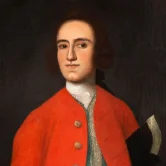
Lawrence Washington
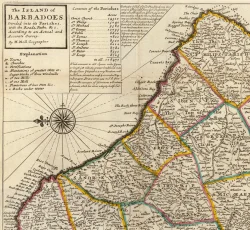
Journey to Barbados
Lawrence became terminally ill with tuberculosis. Doctors suggested the Caribbean climate could help, so he and George made a memorable voyage to Barbados.
Learn moreThe Fairfax Family Provides Opportunity
George Washington benefited from his half-brother’s marriage. Social connections meant everything to the colonists, and Lawrence opened opportunities for social advancement and professional success when he married Anne Fairfax. Their union brought George into the Fairfax family’s sphere, one of the most prominent families in Virginia. Thomas, Lord Fairfax, led the family and was the only English noble to live in Colonial America.
Colonel William Fairfax, Lawrence’s neighbor on the Potomac River, enlisted Washington to go foxhunting and took an active interest in his career. Washington was invited to help on a surveying expedition by George William Fairfax, Colonel Fairfax’s son. This early experience in western lands qualified Washington for his early military assignments.
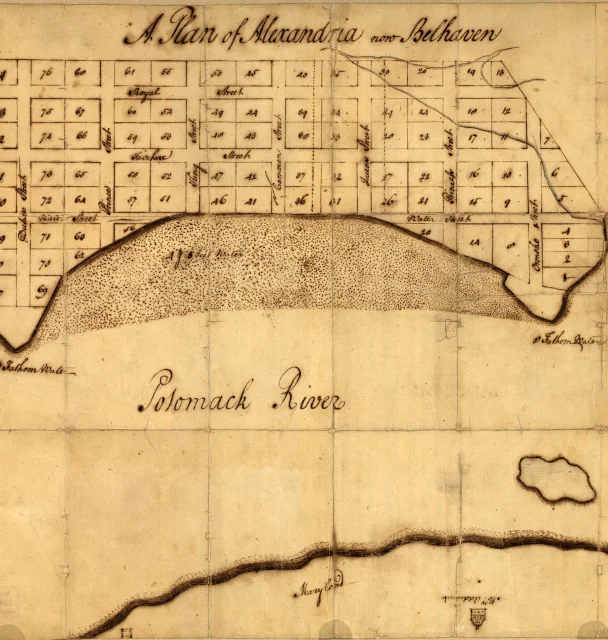
Surveying
At age 16, Washington joined a surveying expedition organized by his neighbor George William Fairfax, gaining valuable experience on the Virginia frontier. Surveying demanded precision and offered a path to advancement. In 1749, he was appointed official surveyor of Culpeper County.
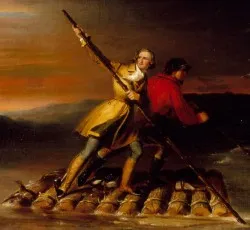
Mission to the Ohio Country
The skills and experience Washington gained as a surveyor on the frontier later proved valuable when he was called on for a 1753 mission into the contested Ohio Valley—drawing him into the rising conflict between Britain and France.
Learn MoreFrench and Indian War
In 1754, Washington led a surprise attack upon a small French force at Jumonville Glen. Then he surrendered Fort Necessity to the French.
Learn more